Follow Me On Social Media!

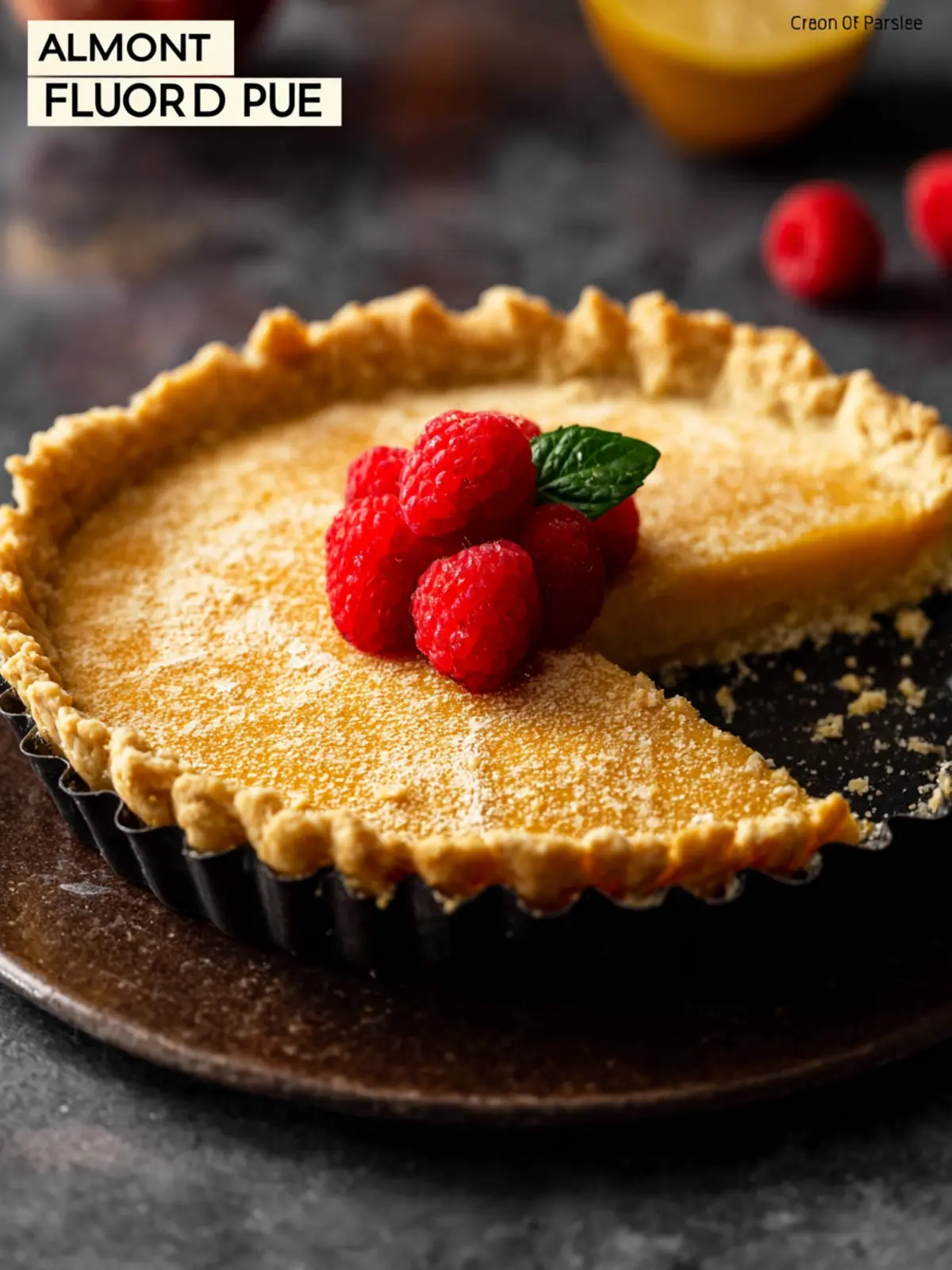
Almond Flour Pie Crust: Easy, Delicious, and Guilt-Free!

Introduction to Almond Flour Pie Crust
As the heart of many cherished desserts, an almond flour pie crust opens the door to delicious possibilities that cater to various diets, including paleo and vegan. Picture this: a warm slice of your favorite pie, its buttery, nutty crust cradling a luscious filling, all while knowing that it’s made from nutrient-dense ingredients. The first time I tried making a pie crust with almond flour, I was surprised at how simple it was—and how rich and satisfying the flavor turned out. If you’re looking to elevate your baking game, this crust is a game changer.
What makes almond flour pie crust a kitchen essential?
This almond flour pie crust is not just a healthier alternative; it’s versatile and packed with benefits. Here are several reasons you should consider having this recipe in your kitchen repertoire:
-
Gluten-Free & Nutrient-Dense: For those avoiding gluten, almond flour is a wonderful substitute that adds nutrition. Almonds are rich in vitamin E, magnesium, and healthy fats, making your desserts both indulgent and nourishing.
-
Easy to Work With: Unlike traditional pie crusts that require meticulous handling, almond flour is remarkably forgiving. The dough comes together quickly and rolls out easily, which is a blessing for busy professionals juggling work and home life.
-
Delicious Flavor and Texture: The nutty aroma of the almond flour complements various pie fillings wonderfully, whether you’re using fruit, chocolate, or creamy custards. It balances sweetness beautifully, ensuring a satisfying bite every time.
-
Versatile Recipe Options: This almond flour pie crust can be easily adapted for different dietary preferences. Whether you’re going paleo, vegan, or just want a healthier treat, it’s accommodating to many lifestyles.
Incorporating this almond flour pie crust recipe into your cooking will not only impress your friends and family but also allow you to indulge guilt-free. So, let’s dive into the specifics of creating this delightful crust that you’ll want to make again and again!
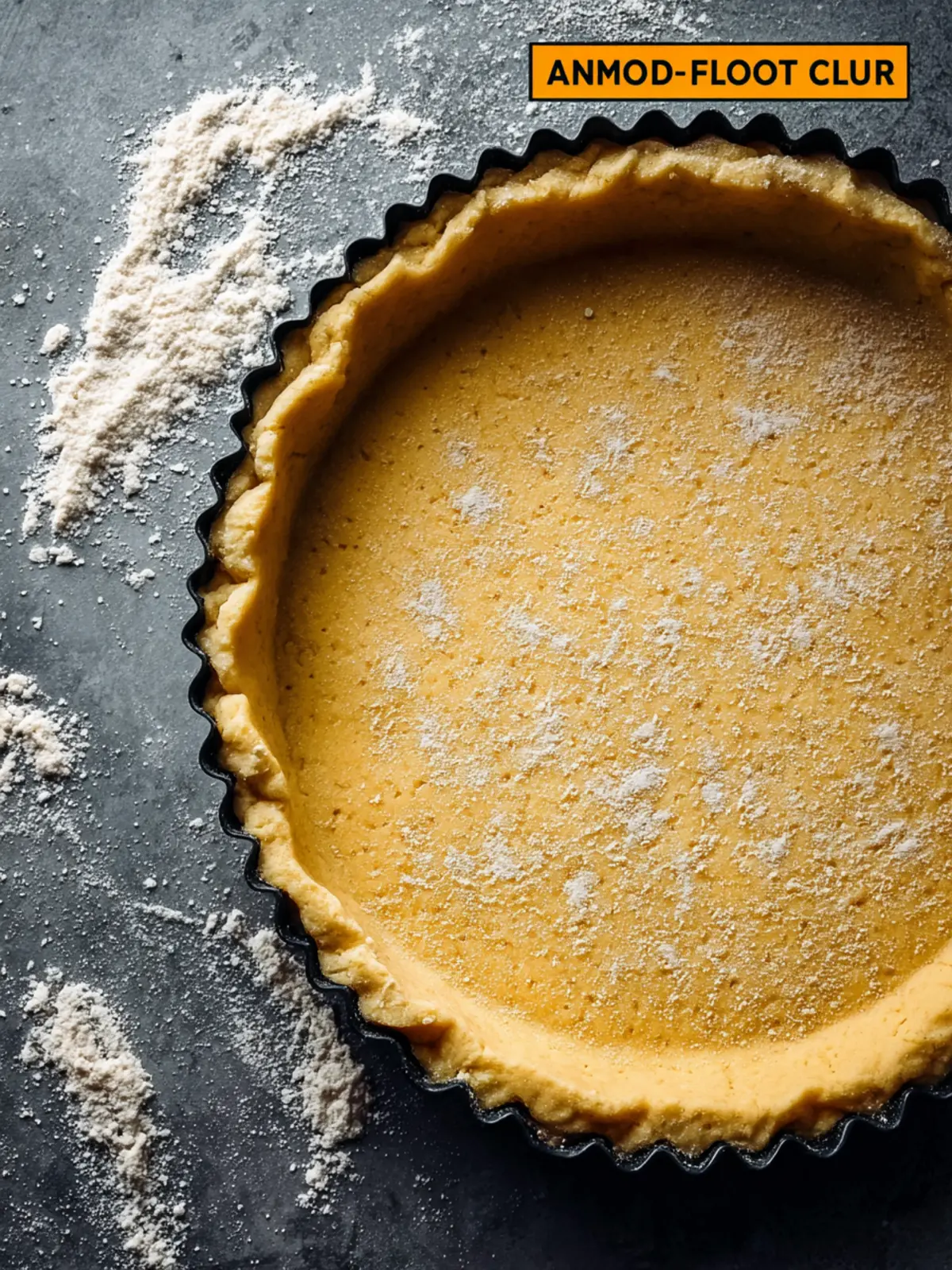
Key Ingredients for Almond Flour Pie Crust
Creating a delectable almond flour pie crust is all about selecting the right ingredients that come together to provide that perfect texture and flavor. Here’s a closer look at what you’ll need to whip up this delightful crust.
Almond Flour: The star ingredient, almond flour, brings a lovely nutty flavor and a naturally gluten-free base. Look for finely ground almond flour to ensure your crust is smooth and evenly textured.
Coconut Oil or Vegan Butter: If you want to keep things dairy-free, melted coconut oil or vegan butter is ideal. It lends a rich, buttery flavor and helps bind the ingredients together. Choose a refined coconut oil if you prefer a more neutral taste.
Maple Syrup: A splash of maple syrup adds a touch of sweetness while also acting as a binder. It enhances the overall flavor profile—perfect for both sweet and savory pies.
Salt: Just a pinch of salt enhances the flavors and balances the sweetness. Don’t skip this, as it plays a crucial role in elevating the taste!
With these simple yet effective ingredients at hand, you’ll be on your way to creating a fantastic almond flour pie crust. This combination not only ensures a delightful flavor but also makes preparation a breeze. Enjoy your baking adventure!
Why You’ll Love This Recipe
Creating an almond flour pie crust is not just a culinary task; it’s an experience that can elevate any pie to the next level. Imagine a crust that is not only gluten-free but also has a delightful, nutty flavor that complements both sweet and savory fillings brilliantly. I remember the first time I tried it at a friend’s gathering. Everyone reminisced about their childhood pies, and my almond flour pie crust quickly became the superstar of the dessert table.
Here are a few reasons why this recipe is a must-try:
-
Versatility: Whether you’re making a classic apple pie, a rich chocolate tart, or even a quiche, this crust adapts seamlessly, allowing your creativity to shine.
-
Health-Conscious Ingredients: For those following a paleo or vegan lifestyle, this recipe is tailored for you. It swaps traditional flour for nutrient-dense almond flour, which is low in carbs and high in healthy fats.
-
Ease of Preparation: The straightforward steps mean you can whip up your pie crust in no time, making it a perfect choice for both novice cooks and seasoned bakers alike.
With just a few simple ingredients, you can create a crust that impresses everyone at the table—trust me, it’s a game-changer!
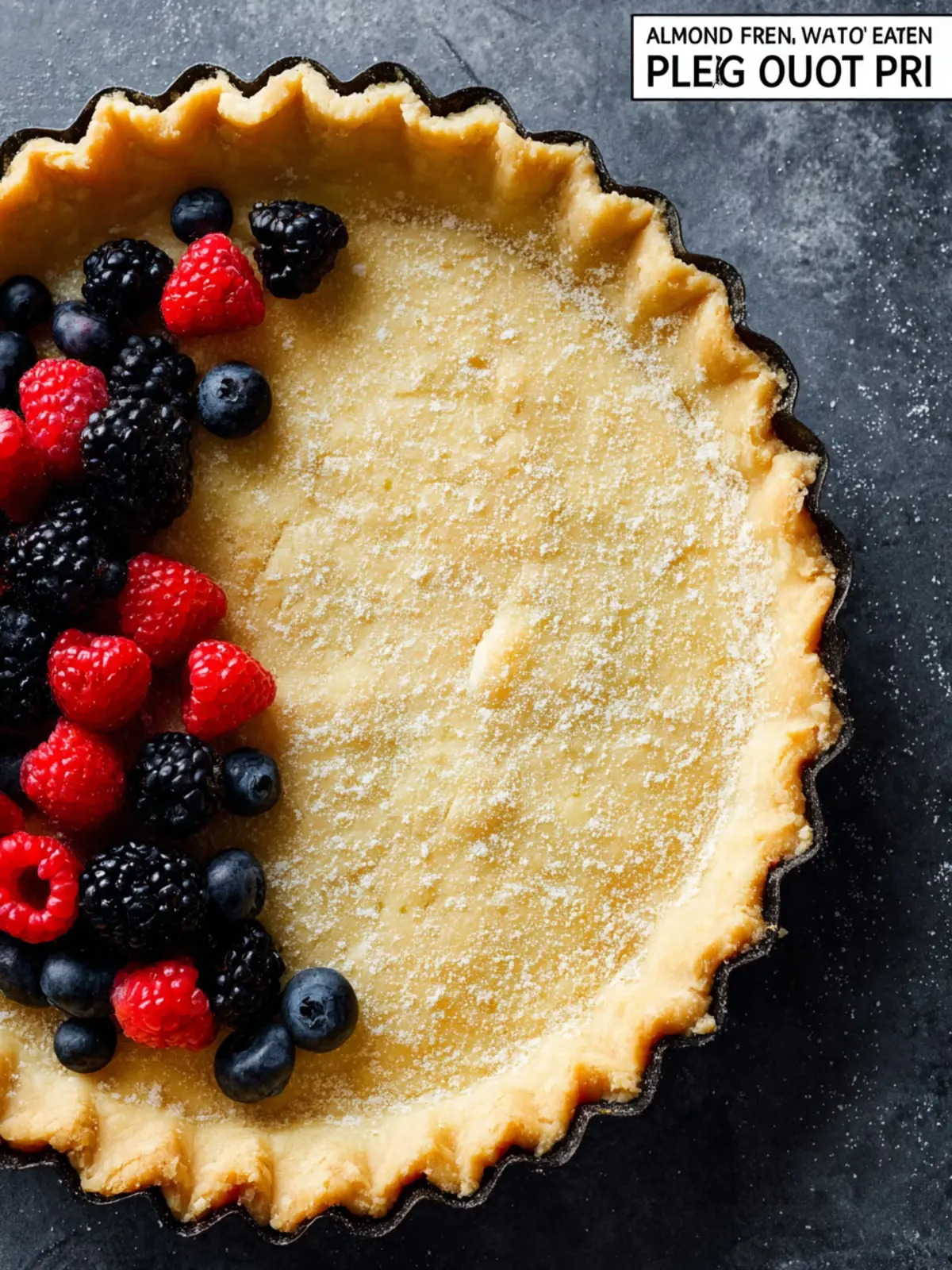
Variations of Almond Flour Pie Crust
The beauty of an almond flour pie crust lies in its versatility, accommodating a range of flavors and dietary needs. Whether you’re whipping up a sweet or savory dish, there’s a delightful twist waiting for you.
Sweet Almond Flour Pie Crust
For those with a sweet tooth, consider adding a touch of sweetness to your crust. Mixing in a bit of coconut sugar or maple syrup enhances the flavor profile and pairs wonderfully with fruit fillings. Vanilla extract is another great addition to amplify the richness of the crust—perfect for berry or chocolate pies.
Savory Almond Flour Pie Crust
If savory is more your style, try blending in herbs like rosemary or thyme. A dash of garlic powder can create a crust that complements quiches or savory tarts beautifully. This variation can be a game-changer for brunch gatherings or cozy dinner parties.
Nutty Flavor Boost
To elevate the flavor even further, consider incorporating finely ground nuts—hazelnuts or pecans, for instance. Mixing them with almond flour adds depth and a unique twist to your almond flour pie crust, making it both nutritious and satisfying.
Chocolate Variation
Craving a dessert that’s a bit more indulgent? Just fold in some cocoa powder to transform your crust into a chocolatey delight, ideal for decadent desserts like chocolate mousse pies or nut butter tarts.
With these creative variations, your almond flour pie crust can truly shine, proving that gluten-free baking can be just as exciting as the classic recipes.
Cooking Tips and Notes for Almond Flour Pie Crust
Crafting the perfect almond flour pie crust can feel like an art form. This gluten-free alternative is not only versatile but can elevate your desserts to new heights. However, ensuring that your crust turns out just right involves a few helpful tips and insights.
Understanding Almond Flour:
- Texture Matters: Almond flour can vary in fineness. Opt for finely ground almond flour for a smoother crust. It helps in achieving that delicate texture that crumbles beautifully.
Chilling is Key:
- Keep It Cool: After mixing your ingredients, chilling the dough for at least 30 minutes is crucial. This helps the fats solidify, which results in a crust that holds its shape while baking.
Binding Agents:
- Choose Wisely: If you’re opting for a Paleo or vegan approach, consider using ground flaxseed mixed with water as an egg substitute. This not only binds the crust together but also adds some nutritious benefits.
Avoid Overworking the Dough:
- Handle With Care: When mixing your dough, remember that tenderness is your friend. Overworking can lead to a dense crust, so mix until just combined for the best results.
Topping Suggestions:
- Delicious Variations: For a sweet pie, adding a sprinkle of coconut sugar or cinnamon to the crust before filling can enhance the flavor. Alternatively, for savory pies, try adding herbs to the crust for an extra kick.
By keeping these tips in mind, your almond flour pie crust is sure to impress at your next gathering!
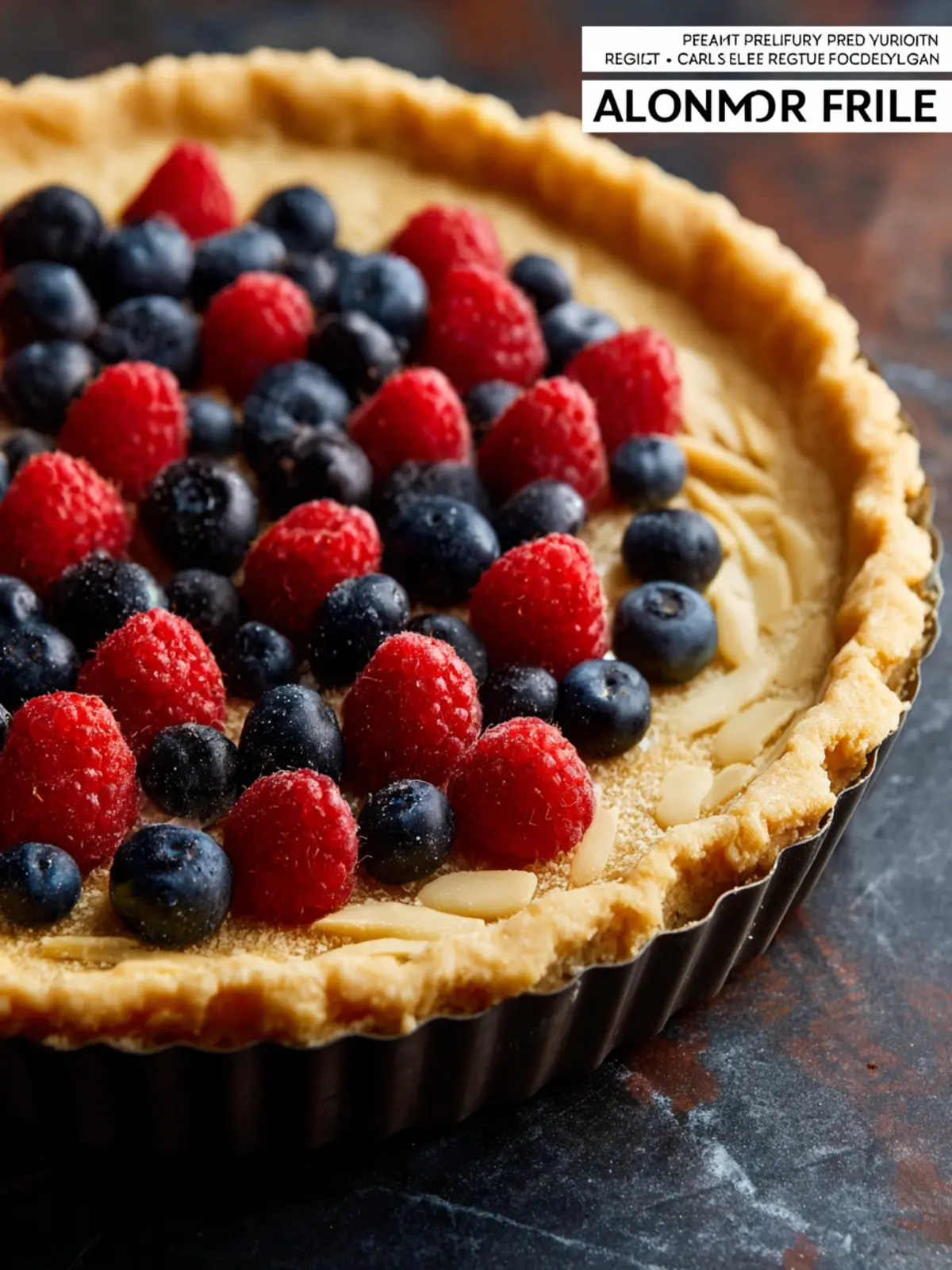
Serving Suggestions for Almond Flour Pie Crust
An almond flour pie crust provides a delightful twist to traditional pies, offering a nutty flavor and a gluten-free option. Now that you’ve perfected your crust, it’s time to think about how to elevate its deliciousness. Here are some serving suggestions that will make your pie the star of the table.
Pair with Fresh Fillings
- Fruit Pies: Think classic apple, blueberry, or peach—fresh fruits really shine. The tartness of these fruits contrasts beautifully with the sweet nuttiness of the almond flour pie crust.
- Creamy Fillings: Coconut cream or pumpkin filling can create an irresistible texture combo. Serve chilled for that refreshing bite!
Toppings to Elevate Taste
- Whipped Cream: A dollop of coconut whipped cream adds a rich touch that complements the crust perfectly.
- Nuts and Seeds: Sprinkle toasted almonds or sunflower seeds on top for an added crunch and an aesthetic appeal.
Bring in Seasonal Flavors
- Spices: For a touch of warmth, try dusting some cinnamon or nutmeg on top. These spices can transform your pie into a nurturing dessert, perfect for gatherings.
These options not only embellish your pie but make it a memorable dessert for any occasion!
Time Breakdown for Almond Flour Pie Crust
Creating an almond flour pie crust is a rewarding experience that can transform your desserts into something truly special. Here’s how the timing breaks down for this delicious and versatile crust:
Preparation Time
Expect to spend about 10–15 minutes on preparation, including gathering your ingredients, mixing, and forming the crust. This is where the magic begins, so take your time to enjoy the process!
Baking Time
Once your crust is prepped and ready, it needs about 10–15 minutes in the oven, depending on your desired crispiness. Keep an eye on it—it should turn a lovely golden brown.
Total Time
In total, you’ll invest around 20–30 minutes from start to finish. That’s a small time commitment for a crust that can elevate your pie’s game to a whole new level!
Nutritional Facts for Almond Flour Pie Crust
Creating a delectable almond flour pie crust is not just about the taste; it’s also about the wholesome nutrition packed into it. Let’s break down what this crust offers in terms of nutrients, so you can feel good about serving it at your next gathering.
Calories
Each serving of your almond flour pie crust contains approximately 150 calories. This makes it a guilt-free indulgence compared to traditional crusts, allowing you to enjoy your favorite pies without the hefty calorie load.
Protein
Thanks to the almond flour, each piece of this crust provides around 5 grams of protein. Almonds are not just a snack; they contribute to your daily protein intake, making this crust both satisfying and nutritious.
Sodium
With a modest sodium level of about 1 mg per serving, this almond flour pie crust stays heart-healthy and low in salt. You can feel at ease knowing you’re making a choice that supports wellness while still enjoying delightful flavors.
Enjoy your baking!
FAQs about Almond Flour Pie Crust
The Almond Flour Pie Crust offers a delightful twist on traditional pies, making it a favorite among those exploring gluten-free and paleo-friendly options. Yet, with any new recipe, you might have some questions. Let’s dig into the most common queries and clear up any uncertainties!
Can I make this pie crust nut-free?
While almond flour is a fantastic gluten-free option, those with nut allergies might need alternatives. You can explore using sunflower seed flour or pumpkin seed flour as a nut-free substitute. Keep in mind, the texture and flavor will differ slightly, but these options can still yield a satisfying crust!
How do I store leftover pie crust?
If you’ve got some leftover almond flour pie crust, storing it properly is key to maintaining its deliciousness. Wrap it tightly in plastic wrap or aluminum foil and place it in an airtight container. It can be kept in the fridge for up to a week or frozen for later use. Just make sure to let it thaw in the refrigerator before using it again!
What fillings work best with this crust?
The beauty of an almond flour pie crust lies in its versatility! It pairs perfectly with both sweet and savory fillings. For a classic dessert, think fruits like apples, berries, or a rich vegan chocolate filling. If savory is more your style, consider quiches filled with vegetables or a savory custard. The slight nuttiness of the crust enhances any filling you choose!
With these answers, you’re now ready to make your almond flour pie crust adventure even more enjoyable. Happy baking!
Conclusion on Almond Flour Pie Crust
In crafting your almond flour pie crust, you’re blending health and flavor effortlessly. This gluten-free and grain-free option not only caters to Paleo and vegan diets but also brings a delightful nuttiness to every bite. The combination of almond flour with a subtle hint of sweetness creates a crust that rivals traditional versions, ensuring it doesn’t just serve as a vessel for your delicious fillings. Whether you’re an experienced baker or just starting, this recipe is approachable and satisfying. Embrace this resourceful crust as your go-to base for both savory and sweet pies, and enjoy the many culinary adventures it offers!
Print
Almond Flour Pie Crust
- Total Time: 35 minutes
- Yield: 1 pie crust 1x
- Diet: Gluten Free
Description
A simple almond flour pie crust recipe that is perfect for both sweet and savory pies.
Ingredients
Scale
- 2 1/2 cups almond flour
- 1/2 teaspoon salt
- 2 tablespoons maple syrup (leave out if you’re making a savoury pie/quiche)
- 3 tablespoons melted or softened coconut oil or butter/vegan butter
- 1 egg
Instructions
- Add the almond flour and salt to a large mixing bowl and whisk to combine.
- Stir in the maple syrup (if using) and coconut oil or butter. Mix until you get a soft, sandy-like texture. I find it easy just using my hands here.
- Add the egg and mix until a soft dough comes together.
- Transfer the dough to a 9 inch pie plate. Use your hands to press dough into the pie dish to form your crust. The dough may feel a little oily at this point.
- To par bake the crust: Preheat oven to 350°F/177°C. Bake for 10 minutes. To fully bake the crust without any filling, bake for 20 minutes.
Notes
- If making an egg-free version, see additional notes on substitutions.
- Ensure the coconut oil is melted if you are using it for this recipe.
- Prep Time: 15 minutes
- Cook Time: 20 minutes
- Category: Dessert
- Method: Baking
- Cuisine: American
Nutrition
- Serving Size: 1 slice
- Calories: 120
- Sugar: 2g
- Sodium: 95mg
- Fat: 10g
- Saturated Fat: 5g
- Unsaturated Fat: 5g
- Trans Fat: 0g
- Carbohydrates: 6g
- Fiber: 3g
- Protein: 4g
- Cholesterol: 63mg